Medically reviewed by Dr. Atul Vats, Medical Director, BetterStem · Updated August 2026
Stem cell therapy for autism is an investigational approach that researchers are studying for its potential to address neuroinflammation, immune dysregulation, and gut-brain axis disruption — biological patterns commonly observed in children with Autism Spectrum Disorder (ASD). It is not an approved cure, and outcomes vary by child. Some U.S. families may be able to access investigational treatment through the federal Right to Try pathway, in consultation with a physician-led clinical team.
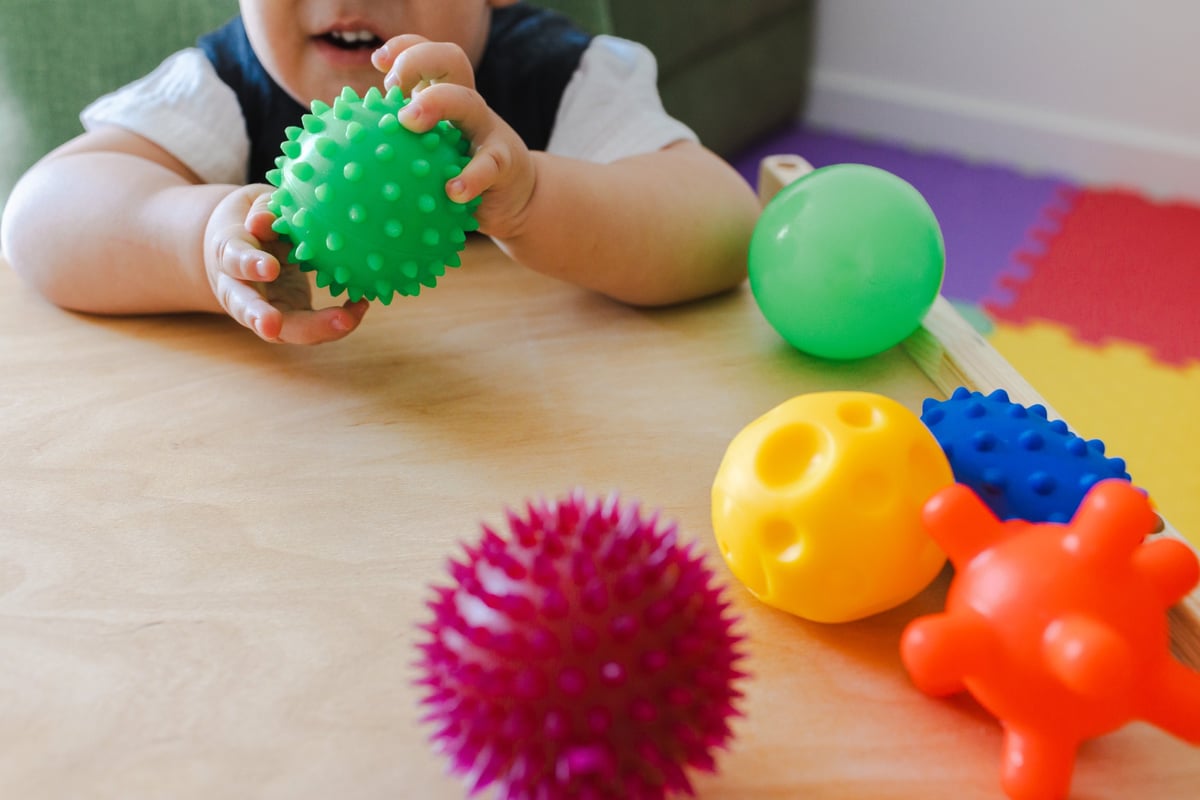
Autism Spectrum Disorder (ASD) affects approximately 1 in 31 children in the United States, according to the CDC. It's one of the most complex, heterogeneous neurological conditions in medicine, and for decades the standard of care changed relatively little — behavioral therapy, speech and occupational therapy, and medication management remain the primary tools available to most families.
That's beginning to shift. Regenerative medicine, and stem cell therapy specifically, is emerging as an area of active research into the biological and neurological mechanisms that may underlie ASD. Several biological patterns show up consistently across the research on children with ASD:
These are measurable, physiological patterns — not abstractions — and they're the mechanisms current stem cell research is investigating.
Stem cells are undifferentiated cells capable of developing into specialized cell types and of influencing biological environments through the signaling molecules they release. In neurological and immunological research, they're of interest for their potential to modulate inflammation, support tissue repair, and influence immune system behavior.
| Cell type | Source | Why it's studied |
|---|---|---|
| Mesenchymal Stem Cells (MSCs) | Umbilical cord tissue, bone marrow, or adipose tissue | Anti-inflammatory and immunomodulatory properties; favorable safety profile |
| Cord Blood Stem Cells | Umbilical cord blood collected at birth | Rich in growth factors; studied specifically in ASD clinical trials |
| Neural Stem Cells | More experimental sources | Under early-stage investigation |
Researchers hypothesize that MSCs in particular may help by reducing neuroinflammation, modulating overactive immune responses, supporting healthier neural environments, and improving gut-brain axis communication.
Stem cell therapy for autism is not a cure. It is an investigational approach with growing scientific interest, and outcomes vary by individual. For children with measurable neuroinflammatory or immune profiles, current evidence suggests it may represent a meaningful adjunct to conventional care — not a replacement for it.
Several peer-reviewed clinical trials have examined cord blood and stem cell infusions in children with ASD. The Duke University randomized controlled trial is among the most cited: results were mixed across the full study population, but a subset of children — particularly those who received their own (autologous) cord blood — showed measurable improvements in socialization and communication at the 12-month mark.
Families who've pursued stem cell therapy internationally — in countries including Panama, Israel, China, and Germany — have reported a range of outcomes: enhanced verbal communication, improved eye contact and social engagement, better sleep quality, reduced behavioral rigidity, and fewer gastrointestinal symptoms.
These reports should be read with appropriate caution — they're not all from controlled trials — but they reflect a pattern of observation serious enough that the research community continues to fund and conduct further study.
The question for American families has rarely been whether this research exists. It's been why physician-led, U.S.-based access has been so hard to find.
1 in 31
children in the U.S. currently diagnosed with ASD (CDC)
30+
countries with active regenerative ASD research
2018
year the federal Right to Try Act was signed into law
In 2018, the federal Right to Try Act became law, creating a pathway for eligible patients with serious, life-threatening conditions to access certain investigational treatments — those that have completed Phase I safety trials — without waiting for full FDA approval.
Right to Try eligibility is condition-specific and evaluated individually; it was written for patients facing serious, life-threatening diagnoses with no approved treatment options. Whether a given investigational pathway applies to a particular child's diagnosis is a clinical and legal determination made case by case, together with a licensed physician — not a blanket entitlement based on an ASD diagnosis alone.
BetterStem's clinical team can walk families through what Right to Try does and doesn't cover for their child's specific situation, and what other investigational or clinical-trial pathways may be available and appropriate.
"For more than a year, our team worked to build the legal, ethical, and clinical framework required to evaluate families for access to investigational stem cell therapies. Today, our physician-led team can walk families through what's available to them, under rigorous safety protocols and IRB oversight."
— Greice Murphy, Founder and CEO, BetterStem
For years, families seeking regenerative therapies for children with autism have had to choose between traveling internationally — to clinics in Panama, Mexico, Germany, or Southeast Asia, with varying standards of regulation and follow-up care — or waiting.
Those trips became lifelines for many, but they came at real cost: tens of thousands of dollars in travel and treatment, language barriers, and no continuity of care once families returned home.
BetterStem is a U.S.-based regenerative medicine clinic built to bring qualified, physician-led evaluation closer to home — with credentialed medical professionals, transparent communication, and the ability for your child's care team to stay involved in their long-term care.
Not every child with autism will be an appropriate candidate for stem cell therapy, and no responsible regenerative medicine clinic should present it as a universal solution. Candidacy is determined through individualized evaluation, and generally includes:
Families most likely to benefit are typically those whose children show evidence of immune dysregulation or neuroinflammatory patterns, who've engaged consistently with behavioral and developmental therapies and are exploring an adjunct approach, and who want a comprehensive, integrative model of care rather than a single intervention.
An individualized conversation with BetterStem's clinical team — grounded in your child's actual biology and history — is the appropriate starting point before any treatment decision.
If you're researching options for your child, the most useful next step isn't another article — it's an individualized conversation with a physician-led team who can review your child's actual diagnosis, history, and biology.
Schedule a ConsultationMedical Disclaimer: This article is for educational and informational purposes only and does not constitute medical advice or a recommendation for any specific treatment. Stem cell therapy for autism is investigational. All treatment decisions should be made in consultation with qualified medical professionals following individualized evaluation.
Right to Try Notice: The Right to Try Act (2018) provides a pathway for certain eligible patients with serious, life-threatening conditions to access investigational treatments that have completed Phase I clinical trials. Eligibility is determined individually. BetterStem's clinical team can provide detailed information about eligibility and applicable regulatory frameworks during a formal consultation.
© 2026 BetterStem · Miami, Florida · All Rights Reserved